
How stories make products more valuable
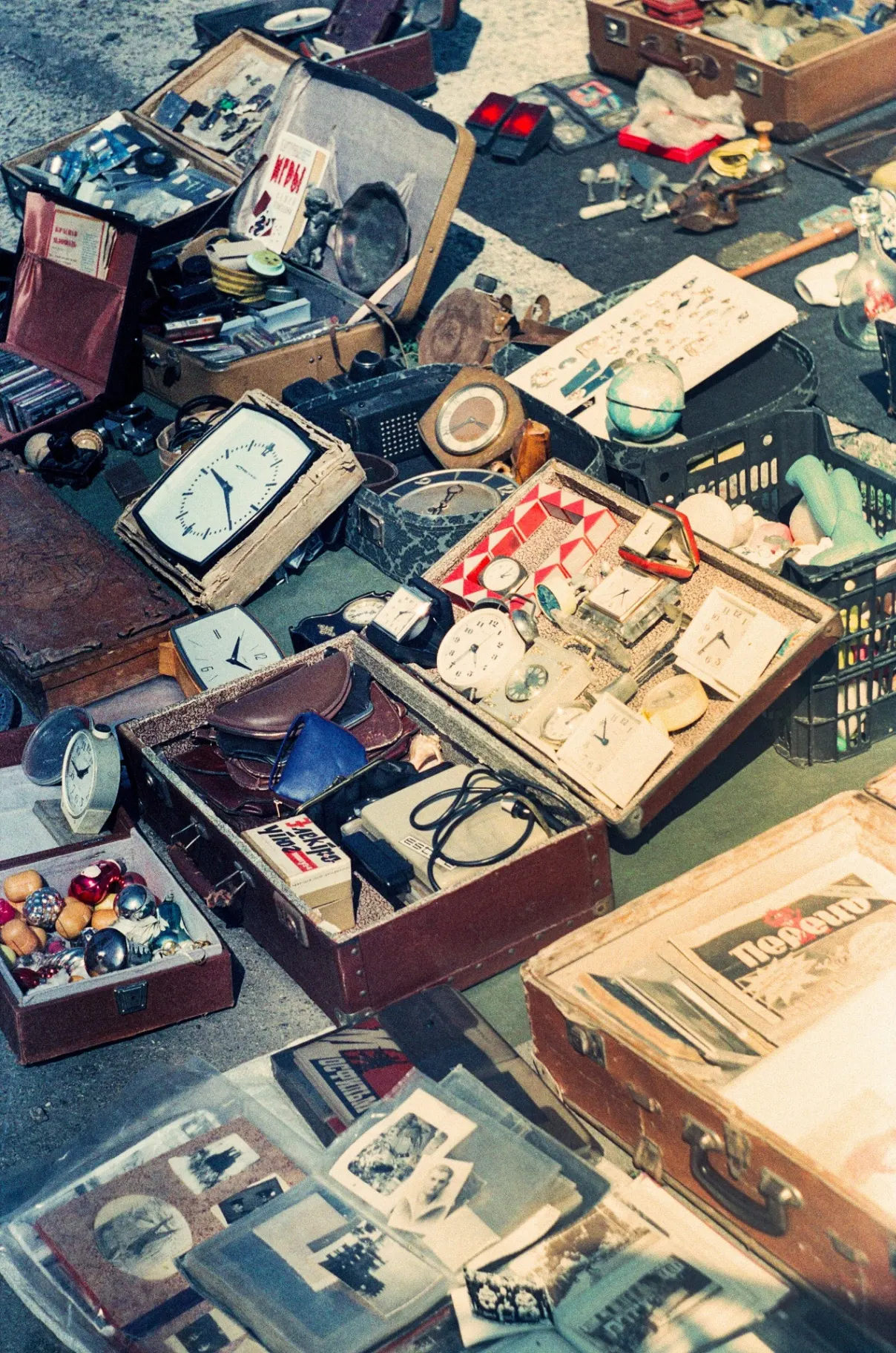
In 2009, journalists Rob Walker and Joshua Glenn set out to test whether a story could change how people value a thing. They rummaged through thrift stores and flea markets, buying 100 items that cost, on average, about a dollar each. The objects were banal. Novelty pens, snow globes and ceramic knick knacks with no obvious value.
Their experiment was simple. Pair each item with a writer, ask that writer to create a fictional story about the object, then list the item on eBay using the story as its description. Care was taken to avoid the impression that the stories were true. The point was not to trick buyers, but to see whether narrative alone could change perception.
The results were extraordinary. In the first batch of auctions, $128 worth of trinkets sold for more than $3,600. Some of the individual sales were astonishing. A ceramic horse bust bought for 99 cents sold for $62.95 when accompanied by a story about a university hazing ritual. A pink plastic horse that originally cost a dollar sold for more than $100 after a writer attached an emotional backstory to it.
The objects themselves had not changed. What changed was the meaning attached to them.
That is what makes the Significant Objects study so interesting. It demonstrated, in a measurable way, that stories create value. They give people an emotional connection to something that would otherwise feel forgettable.
For anyone involved in sales or marketing, the lesson is obvious. People rarely buy on facts alone. They buy meaning, emotion and context.
A good story does not just describe the thing being sold. It helps people understand why it matters.
It builds meaning. It creates connection. And that connection is what turns something ordinary into something valuable.

by Joe Cox
Follow on LinkedIn