
Less choice = more sales. The jam study
We talk a lot about choice as if it’s inherently a good thing. In supermarkets, streaming platforms and phone contracts, the logic seems to be: the more options, the better. But think about the last time you tried to make a simple purchase and ended up paralysed by a wall of features and configurations. That moment — when you realised you were less confident after reading all the options than before you started — is the one I keep coming back to.
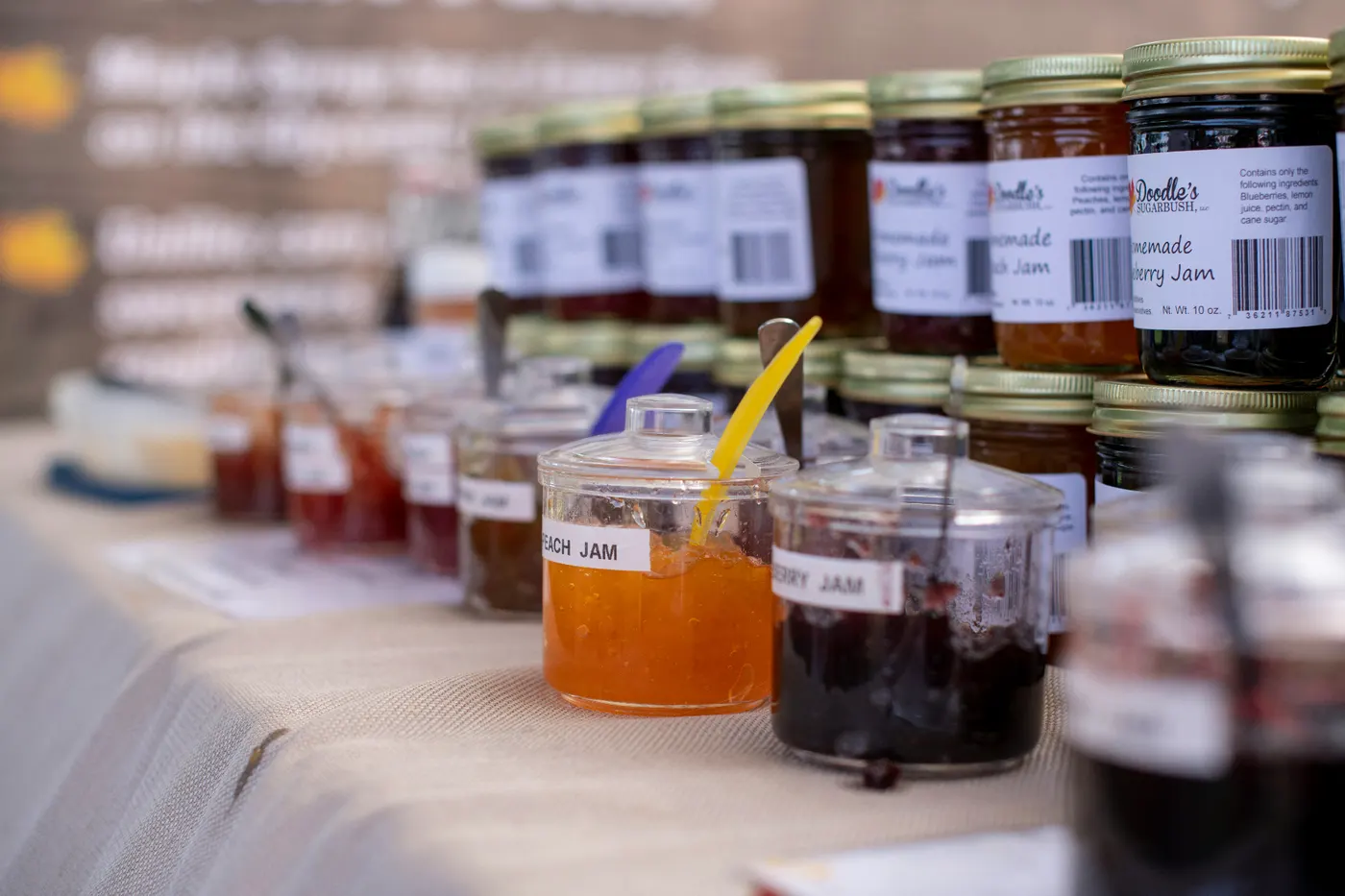
Psychologists call this dynamic the paradox of choice. They even tested it in a Californian supermarket. Known as the 'Jam Study', Sheena Iyengar and Mark Lepper set up a tasting booth featuring jams. On some days, they offered six flavours. On others, they offered twenty‑four. The big display grabbed far more attention. People loved looking. Yet when it came to buying, only 3 percent of those who saw the twenty‑four jams bought a jar, compared with 30 percent of those who saw the smaller selection. More options generated excitement, but fewer sales.
You can see this playing out everywhere. You settle down to watch a film and end up scrolling for twenty minutes. You open a restaurant menu and suddenly wish there were fewer pages, quietly wondering how good any of the dishes can really be if the kitchen is trying to do so much. More often than not, abundance breeds hesitation rather than clarity.
Businesses do this to themselves all the time. They assume that piling on more features, more proof points and more data will make customers more confident. In reality, it often has the opposite effect. When communication becomes an avalanche of detail, people check out. The brands that stand out are usually the ones that decide what really matters and say only that. They choose to show less, so that every word carries more weight. Because sometimes the bravest, most effective thing you can do is make it easier for someone to decide.

by Joe Cox
Follow on LinkedIn